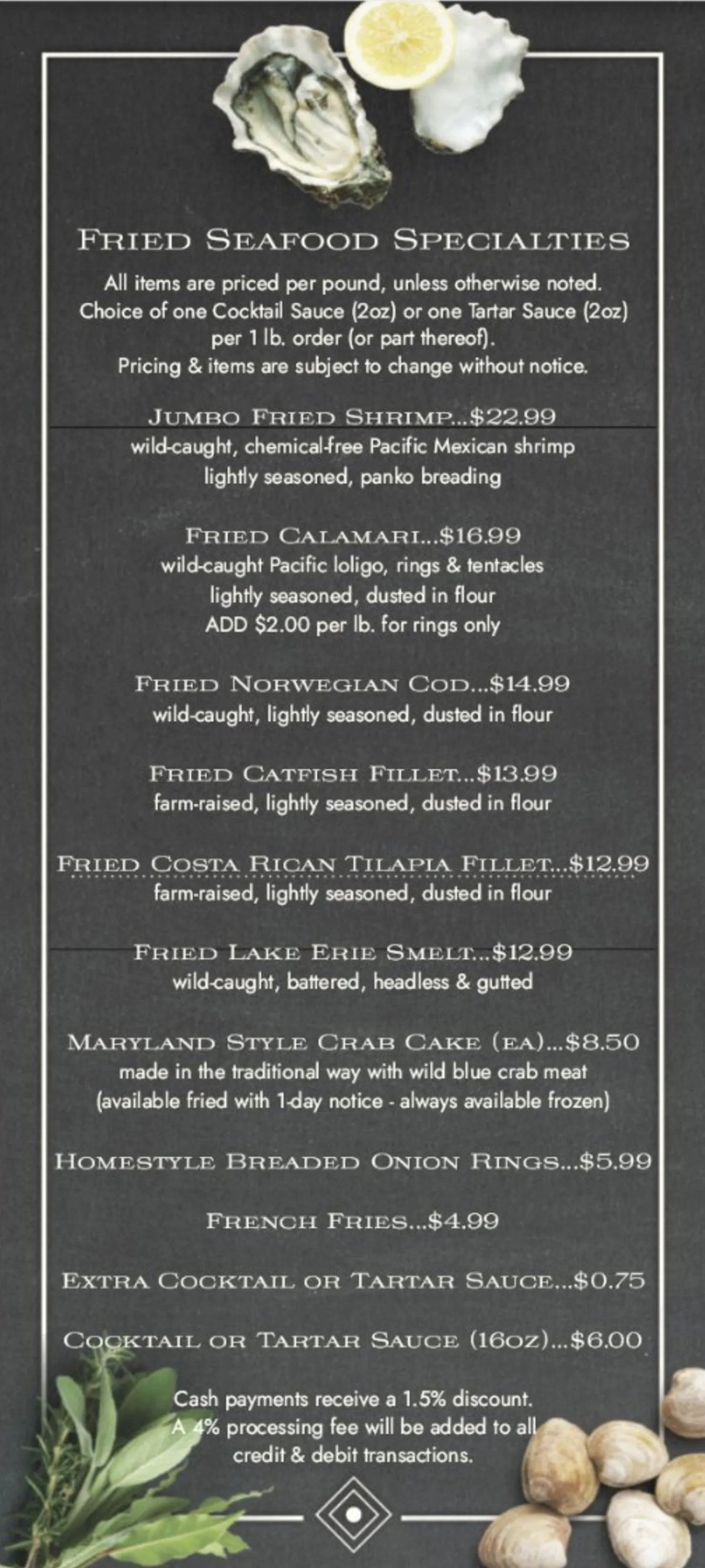
Imagine the perfect seafood dish: succulent, flavorful, and incredibly fresh, even if you’re miles from the ocean. This isn't just a fantasy. When you understand the nuances of sourcing and preparation, every meal can be an experience. For many, that journey starts with a trusted source like Seafood Specialties, a name synonymous with quality, freshly frozen options that promise excellence from the freezer to your plate.
But what truly elevates a seafood dish from good to unforgettable? It’s often about discovering unique ingredients and mastering specific techniques—the very heart of "seafood specialties." This guide isn't just about finding a great fish market; it's about unlocking a world of culinary possibilities, making you confident in selecting, preparing, and savoring the ocean's finest.
At a Glance: Your Gateway to Gourmet Seafood
- Freshly Frozen is Key: Learn why expertly frozen seafood often rivals or even surpasses "fresh" options bought far from the shore.
- Beyond the Supermarket Aisle: Discover specialty fish and shellfish that offer unique flavors and textures.
- A Culinary Compass: Explore renowned seafood preparations from around the globe, from vibrant ceviches to perfectly grilled catches.
- Smart Sourcing: Understand what to look for when buying, ensuring quality and sustainability.
- Mastering the Kitchen: Get practical tips for thawing, cooking, and storing your seafood to perfection.
- Debunking Myths: Separate fact from fiction about seafood safety and taste.
Why "Freshly Frozen" Isn't a Compromise – It's a Choice
The term "freshly frozen" might sound like a paradox, but in the world of seafood, it's often a mark of superior quality. When fish and shellfish are caught, processed, and flash-frozen at sea or immediately upon landing, their peak freshness is locked in. This rapid freezing prevents ice crystals from forming large structures that can damage delicate cell walls, preserving texture, flavor, and nutritional value.
Think about it: unless you live directly on a working dock and buy your seafood within hours of it being pulled from the water, most "fresh" seafood in a display case has likely spent days traveling, being handled, and sitting on ice. While still good, it's undergoing a subtle degradation process. Seafood Specialties understands this critical difference, ensuring that their frozen products retain the integrity you'd expect from the ocean's bounty. Choosing freshly frozen means you’re often getting a product that’s more fresh in essence than many unfrozen alternatives.
Unpacking True Seafood Specialties: What Makes Them Stand Out?
Beyond just any fish, what truly makes a seafood item a "specialty"? It's a combination of rarity, unique flavor profiles, specific geographic origins, or traditional preparation methods that elevate it.
- Unique Species: While salmon and cod are staples, specialties might include lesser-known but equally delicious options like opah, escolar, branzino, or obscure shellfish varieties that offer distinct tastes and textures.
- Premium Quality Cuts: Think sushi-grade tuna loin, diver scallops, wild-caught Alaskan king crab legs, or pristine oysters harvested from specific estuaries—items prized for their exceptional quality and often higher price point.
- Regional Delicacies: Many seafood specialties are defined by the culinary traditions of a specific place. These often involve local ingredients and preparation methods passed down through generations.
A Culinary World Tour: Exploring Regional Seafood Delights
The ocean's diverse ecosystems contribute to a global pantry of unique seafood, each inspiring regional specialties that captivate the palate.
The Vibrant Flavors of the Caribbean
The Caribbean is a kaleidoscope of cultures and flavors, and its seafood specialties are no exception. From freshly grilled whole snapper to conch fritters, the islands offer a bounty that reflects their azure waters. In destinations like Aruba, the emphasis is often on vibrant, fresh preparations that highlight the natural sweetness of the catch. You'll find everything from rich stews to light, citrus-marinated dishes. If you're planning a trip to the island, you might want to explore Arubas best seafood restaurants to taste these local treasures firsthand.
Key Caribbean specialties include:
- Conch: Prepared in salads, fritters, or stews, this large marine snail is a staple across many islands.
- Red Snapper: Often grilled whole with local herbs and spices, its flaky white flesh is a crowd-pleaser.
- Mahi-Mahi (Dolphin Fish): A firm, mild fish perfect for grilling or pan-searing.
- Lionfish: An invasive species, but deliciously flaky and often served fried or grilled, turning an environmental challenge into a culinary opportunity.
Mediterranean Marvels: Simplicity Meets Sophistication
The Mediterranean diet, renowned for its health benefits, places seafood at its heart. Specialties here often involve simple preparations that let the quality of the fish shine, typically with olive oil, lemon, garlic, and fresh herbs.
- Branzino (European Sea Bass): A delicate, white-fleshed fish, often baked whole with herbs or grilled.
- Octopus: Tenderized and then grilled or braised, a Mediterranean classic.
- Sardines and Anchovies: Freshly grilled or cured, these small, oily fish are packed with flavor and nutrition.
- Calamares a la Plancha: Simply grilled squid, often served with a squeeze of lemon.
Asian Culinary Treasures: Bold Flavors and Delicate Textures
Asia's vast culinary landscape offers an incredible array of seafood specialties, from delicate sashimi to fiery curries.
- Sushi and Sashimi: Japan's iconic raw fish preparations, emphasizing pristine quality and precise knife work. Tuna, salmon, yellowtail, and sea urchin are prime examples.
- Laksa (Southeast Asia): A spicy noodle soup often brimming with prawns, fish cakes, and mussels.
- Steamed Whole Fish (Chinese Cuisine): Often a centerpiece, fish like grouper or snapper are gently steamed with ginger, scallions, and soy sauce, showcasing their natural sweetness.
- Tom Yum Goong (Thailand): A hot and sour shrimp soup that’s a symphony of aromatic herbs and spices.
North American Coastal Classics: Comfort and Abundance
From New England's lobster shacks to the Pacific Northwest's salmon runs, North America boasts a rich tradition of seafood specialties.
- Lobster Rolls (New England): Chunks of sweet lobster meat, lightly dressed and served in a buttered, toasted bun—a simple luxury.
- Maryland Blue Crabs: Steamed with Old Bay seasoning, a beloved messy, communal feast.
- Wild Alaskan Salmon: Revered for its rich flavor and omega-3 content, often grilled, baked, or smoked.
- Cioppino (San Francisco): A robust seafood stew with a tomato base, typically featuring crab, clams, mussels, shrimp, and various fish.
The Art of Preparation: Elevating Your Seafood Experience
Once you've sourced your specialty seafood, knowing how to prepare it is crucial. Each method brings out different qualities, transforming simple ingredients into memorable meals.
Grilling: The Taste of Summer and the Sea
Grilling imparts a beautiful smoky flavor and a tender, flaky interior to many types of fish and shellfish. It’s particularly suited for firmer fish like swordfish, tuna, mahi-mahi, or whole snapper. Ensure your grill grates are clean and well-oiled to prevent sticking. A good rule of thumb is to cook fish for about 10 minutes per inch of thickness, flipping halfway through.
For those who appreciate the char and flavor that only a grill can provide, exploring Discover Arubas fish grills can offer inspiration and local techniques.
Ceviche & Raw Preparations: A Refreshing Zing
Ceviche, a Latin American staple, involves "cooking" seafood in citrus juices (typically lime or lemon). The acid denatures the proteins, firming the flesh and changing its opaque color, much like heat would. This method highlights the pure, clean taste of ultra-fresh fish and shellfish. Use only the freshest, highest-quality seafood for raw preparations to ensure safety and superior flavor.
If the bright, zesty flavors of ceviche intrigue you, exploring Arubas top ceviche restaurants could introduce you to some authentic and innovative takes on this classic dish.
Baking & Roasting: Effortless Elegance
Baking and roasting are gentle methods that work well for delicate fish fillets, whole fish, or even shellfish. They require minimal intervention, making them ideal for entertaining. A simple preparation with olive oil, herbs, and lemon can yield incredibly flavorful results. Wrapping fish in parchment paper (en papillote) is another fantastic way to steam it in its own juices, locking in moisture and flavor.
Pan-Searing: Achieving that Perfect Crust
Pan-searing involves cooking seafood in a hot pan, often with a little oil or butter, to create a beautiful, caramelized crust while keeping the interior moist. This method is excellent for scallops, shrimp, or fish fillets like cod, halibut, or snapper. Don't overcrowd the pan, and ensure the seafood is dry before adding it to the hot pan for the best sear.
Navigating the Market: How to Choose & Source Specialty Seafood
Finding high-quality seafood requires a discerning eye and a little knowledge. Whether you’re at a fishmonger, a grocery store, or ordering online, these tips will help you make informed choices.
What to Look For: Signs of Quality
- Smell: Fresh seafood should smell like the ocean—clean and briny, not "fishy."
- Eyes: For whole fish, eyes should be clear, bright, and bulging, not sunken or cloudy.
- Gills: Gills should be bright red or pink, not brown or slimy.
- Skin: Skin should be shiny and moist with tightly adhering scales.
- Texture: Flesh should be firm and elastic, springing back when gently pressed.
- Shellfish: Mussels, clams, and oysters should be tightly closed (or close quickly when tapped). Crabs and lobsters should be lively if purchased live.
Understanding Labels: Wild-Caught vs. Farmed, and Sustainability
- Wild-Caught: Seafood harvested from its natural environment. Often praised for its natural diet and environment, but sustainability is a key concern here.
- Farmed (Aquaculture): Seafood raised in controlled environments. Can be a sustainable alternative, but quality varies greatly depending on farming practices, feed, and antibiotic use.
- Sustainability Certifications: Look for labels from organizations like the Marine Stewardship Council (MSC) or Monterey Bay Aquarium's Seafood Watch program. These certifications help guide you towards species that are caught or farmed in ways that minimize environmental impact.
Where to Buy: Your Best Options
- Local Fishmongers: Often your best bet for fresh, knowledgeable advice, and a wide selection. Build a relationship with one you trust.
- Reputable Grocery Stores: Many larger stores have dedicated seafood counters. Ask questions about sourcing and handling.
- Online Specialty Retailers: For niche items or if you don't have good local options, online stores can deliver high-quality, often flash-frozen seafood directly to your door.
- Seafood Specialties: As a dedicated provider of freshly frozen seafood, they represent an excellent option for consistent quality and convenience. Their commitment to freezing at peak freshness means you can rely on their products for your specialty dishes.
Common Myths & Misconceptions About Seafood
Let's clear up some common misunderstandings that might be preventing you from fully enjoying seafood.
- Myth: "Fresh is always better than frozen."
Reality: As discussed, expertly flash-frozen seafood can be superior to "fresh" options that have been in transit for days. It locks in peak freshness, texture, and nutrients. - Myth: "Fishy smell means it's bad."
Reality: While a strong, offensive "fishy" odor is a sign of spoilage, fresh fish should have a clean, mild, ocean-like aroma. If it smells like ammonia or overly pungent, avoid it. - Myth: "All farmed fish is bad."
Reality: Not all farmed fish is created equal. Sustainable aquaculture practices are evolving rapidly, producing high-quality fish with minimal environmental impact. Look for certifications and research specific farms. - Myth: "Cooking seafood is difficult."
Reality: Seafood cooks very quickly, which can sometimes lead to overcooking. However, with a few simple techniques and knowing when it's done (it becomes opaque and flakes easily), it's often faster and simpler than cooking other proteins. - Myth: "You can't refreeze thawed seafood."
Reality: While refreezing previously thawed raw seafood is generally not recommended due to potential texture and quality degradation, it's safer to do if the seafood was thawed in the refrigerator and has not exceeded 40°F (4°C) for more than 1-2 days. Cooked seafood can often be refrozen once. Always err on the side of caution with food safety.
Mastering Your Seafood Pantry: Tips for Storage & Longevity
Proper storage is crucial for maintaining the quality and safety of your seafood, especially when dealing with specialty items.
Thawing Frozen Seafood Safely
The best way to thaw frozen seafood is slowly in the refrigerator overnight. Place it in a bowl or on a plate to catch any drips. For a quicker thaw, you can immerse sealed packages of seafood in cold water, changing the water every 30 minutes until thawed. Never thaw seafood at room temperature, as this can encourage bacterial growth.
Short-Term Storage (Refrigeration)
Once thawed or purchased fresh, seafood is highly perishable. Store it in the coldest part of your refrigerator (usually the bottom shelf), ideally on a bed of ice in a perforated container, with another container underneath to catch melting water. Consume fresh seafood within 1-2 days.
Long-Term Storage (Freezing at Home)
If you've purchased fresh seafood and want to freeze it for later, proper technique is key:
- Portion: Divide seafood into individual or meal-sized portions.
- Wrap Tightly: Use freezer paper, plastic wrap, or vacuum-seal bags to protect the seafood from freezer burn. Remove as much air as possible.
- Label & Date: Always label with the type of seafood and the date it was frozen.
- Freeze Quickly: Place in the coldest part of your freezer. Most lean fish can be stored for 6-8 months, while fatty fish (like salmon) and shellfish are best consumed within 3-4 months for optimal quality.
Your Next Culinary Adventure Starts Here
Embracing seafood specialties means opening yourself up to a world of exquisite flavors and textures. It’s about more than just a meal; it’s an exploration of global culinary traditions and a commitment to quality ingredients. Whether you’re experimenting with a new ceviche recipe, mastering the art of the grilled whole fish, or simply seeking out the finest ingredients for your next family dinner, the journey is rewarding.
Don't be intimidated. Start with a trusted source for quality, like Seafood Specialties, and allow yourself to explore. With the right knowledge and a dash of culinary curiosity, you're well on your way to transforming your home kitchen into a haven for truly exceptional seafood. So go ahead, cast your net wide, and enjoy the bounty!