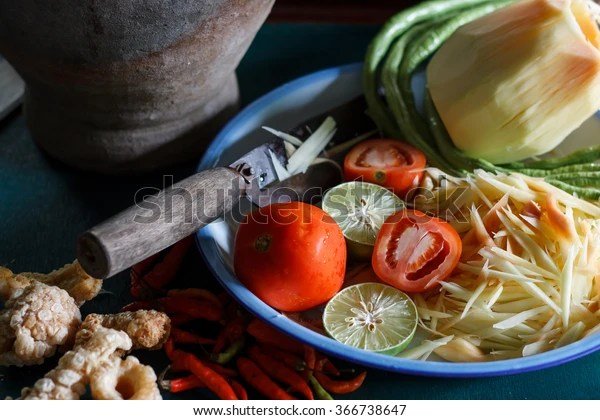
There’s a profound difference between merely eating and truly experiencing a destination through its food. When you delve into Local & Authentic Cuisine, you’re not just satisfying hunger; you're immersing yourself in the culture, history, and heart of a place. It's about tasting the traditions passed down through generations, discovering ingredients unique to the region, and connecting with the people who passionately prepare and share their culinary heritage. Forget the bland, mass-produced offerings; the real magic happens when you venture off the well-worn tourist path to find those genuine culinary delights.
At a Glance: Savoring Authenticity
- Beyond the Tourist Trail: Learn how to spot and avoid generic eateries.
- Cultural Immersion: Understand how food connects you to a destination's soul.
- Practical Search Strategies: Discover actionable tips for finding true local gems.
- Embrace the Adventure: Prepare for new flavors and dining customs with an open mind.
- Support Local: See how your choices impact communities directly.
- Ask the Experts: Harness the power of local insights and recommendations.
Why Chasing Authentic Flavors Matters
Eating is fundamental, but eating authentically transforms a trip from a series of sights into a tapestry of sensory experiences. When you prioritize local and authentic cuisine, you unlock layers of understanding that guidebooks can't fully convey.
The Story on Your Plate: Culture, History, and Identity
Every dish tells a story. It speaks of the land where ingredients are grown, the climate that shapes produce, and the historical influences that have mingled over centuries to create unique flavor profiles. Imagine tasting a dish where every spice, every technique, has been refined through generations—it's a direct line to the past.
For example, a vibrant city like Fremont, California, thrives on its culinary diversity. As OpenTable highlights, it's a place "renowned for its rich diversity of authentic culinary experiences," where restaurants emphasize "true authenticity" and "invite patrons to immerse themselves in a cultural feast that spans global cuisines." This isn't just about food; it's about communities sharing their heritage through taste.
A Taste of Place: Unforgettable Sensory Experiences
Authenticity delivers a depth of flavor that mass-market imitations simply can't replicate. It's the difference between a generic "fried rice" and a specific, fragrant Nasi Goreng from an Indonesian street vendor, or a fast-food burger versus a slow-cooked, locally sourced barbecue. These dishes are crafted with an intimate knowledge of ingredients and a dedication to traditional preparation.
Supporting the Soul of the Community
Choosing local and authentic doesn't just benefit your palate; it directly supports local farmers, fishermen, small business owners, and families. You’re putting money directly into the hands of the community, helping preserve culinary traditions and ensuring that unique local ingredients continue to be cultivated and cherished. It's a conscious choice to foster sustainable tourism and empower the people who make a place special.
Defining "Authenticity": More Than Just a Buzzword
The term "authentic" can sometimes feel vague or overused. So, what truly makes cuisine local and authentic? It’s a combination of several key elements that discerning food lovers learn to recognize.
Roots in Tradition: Recipes Passed Down
Authentic cuisine typically stems from recipes that have been developed and perfected over many generations, reflecting the region's culinary history. These aren’t trends; they're timeless expressions of a culture's identity. This might mean slow-cooking methods, specific spice blends, or preparation rituals that have remained unchanged for centuries.
Locally Sourced, Seasonal Ingredients
At its heart, local and authentic cuisine utilizes ingredients readily available in the surrounding area. This often means fresh, seasonal produce, meat from local farms, or seafood caught nearby. The emphasis is on quality and freshness, allowing the natural flavors of the ingredients to shine. This commitment to local sourcing is what gives a dish its true "taste of place."
The "Grandma Test": What Locals Actually Eat
Perhaps the most reliable indicator of authenticity is whether local residents frequent the establishment. If grandmothers, families, and everyday workers are lining up for lunch or dinner, you're likely in the right spot. These are the places that serve food that tastes like home for the people who live there, not just what tourists think local food should be. A great example is Fremont's Local Cafe, praised by customers for its genuine Hong Kong-style dishes, attracting locals who rave about the "quality and taste."
A Culture, Not Just a Meal: Ambiance and Experience
Authenticity extends beyond the plate to the entire dining experience. It's the atmosphere, the decor, the sounds, and the specific rhythm of service that contribute to a true sense of place. Whether it's the bustling energy of a street food stall or the quiet charm of a family-run trattoria, these elements deepen your connection to the local culture. As the OpenTable insight on Fremont suggests, "ambiance that enhances the dining experience" is key to making a meal memorable.
Your Culinary Compass: How to Find the Real Deal
Finding truly local and authentic cuisine requires a bit of detective work and a willingness to explore beyond the obvious. Here's your practical guide.
Researching Before You Arrive: Digital Digging
Before you even pack your bags, you can begin your quest for culinary gold.
- Go Beyond the Glossy Guides: While guidebooks offer a good starting point, they often feature places that cater to a broader tourist palate. Instead, seek out local food blogs, niche travel forums, or independent foodie websites that offer more granular insights. Search for phrases like "best street food [city name]" or "where do locals eat in [city name]".
- Social Media Savvy: Instagram and TikTok can be powerful tools. Follow local food influencers, chefs, and even news outlets in your destination. Look for geo-tagged posts from residents, not just visitors. Often, the best finds are shared through word-of-mouth online.
- Leverage Review Platforms (with caution): Sites like Yelp, Google Maps, and TripAdvisor can be useful, but read reviews critically. Prioritize reviews written by locals or by travelers specifically looking for authentic experiences. Look for details about specific dishes, ingredients, and the overall atmosphere, rather than just "good food." Pay attention to the photos—do the dishes look genuinely local, or are they generic?
On-the-Ground Strategies: Your Boots-on-the-Ground Approach
Once you've arrived, your real adventure begins.
- Ask the Right People: This is your most valuable asset.
- Hotel Staff (the right ones): Skip the concierge who recommends commission-based tourist traps. Ask the bellhop, the cleaning staff, or the overnight front desk attendant—they often have the best, most honest recommendations for where they eat.
- Local Shopkeepers & Vendors: Strike up a conversation with a shop owner in a market, a barista, or a taxi driver. Politely ask, "Where do you go for dinner after work?" or "What's your favorite local dish and where do you eat it?"
- Fellow Travelers (the seasoned ones): If you encounter other travelers who seem to be on the same "authentic" quest, swap tips!
- Follow the Locals (Literally): Observe where locals congregate, especially during peak meal times. A bustling, no-frills eatery packed with chatter and activity is often a strong indicator of quality and authenticity. If a place is empty during lunch rush, it's usually a red flag.
- Explore Markets and Street Food Stalls: Food markets are the pulse of a local food scene. You’ll find fresh ingredients, prepared foods, and often, small stalls serving incredibly authentic and affordable dishes. Street food, in many cultures, is the local cuisine—fast, flavorful, and full of character. This is where you might truly eat like a local in Aruba or anywhere else you travel.
- Venture Off the Main Square: Tourist hotspots often cluster around major attractions, and so do restaurants designed to cater to them. Walk a few blocks away from the main square, the prominent beaches, or the big hotel zones. You'll often find more modest, family-run establishments serving genuine fare.
- Look for Language Clues: A menu solely in the local language (with perhaps a few English translations for key dishes) can be a good sign. If the menu is overly translated, heavily illustrated with generic photos, or features dishes from a dozen different international cuisines, it might be trying to appeal to everyone and specialize in nothing.
- Specialty Over Variety: A restaurant that focuses on a few specific dishes or a particular regional style is often a better bet than one offering a sprawling menu of generic options. They've mastered their craft.
Red Flags to Heed: When to Walk Away
Not every recommendation or storefront will lead to culinary bliss. Here are some warning signs:
- Aggressive Tout or Hawker: If someone is outside aggressively trying to pull you into the restaurant, especially on a quiet street, it's often a sign they struggle to attract genuine local custom.
- "International" or "Tourist Menu" Signage: This usually means the food has been watered down or adapted to suit a perceived non-local palate, sacrificing authenticity.
- Pricy, Generic Decor: Restaurants with overly polished, generic, or chain-like decor in a place known for its vibrant, rustic charm might be more focused on aesthetics than flavor.
- Empty Tables at Peak Times: If it’s dinner rush and a large restaurant is nearly empty while smaller, simpler places nearby are packed, trust the crowd.
- Too Many Cuisines: A restaurant advertising "Italian, Mexican, Chinese, and Local Delights" is rarely excellent at any of them. Specialization often signals authenticity.
Embracing the Experience: Dining Etiquette and Adventure
Finding local food is one thing; enjoying it fully requires an open mind and a little cultural sensitivity.
Be Adventurous: Try New Things
One of the greatest joys of authentic dining is stepping outside your comfort zone. Don't be afraid to try dishes with unfamiliar ingredients or textures. Sometimes the most unusual-sounding items turn out to be the most delicious and memorable. This is your chance to try must-try Aruban foods or any other local specialty. You might discover a new favorite!
Learn a Few Phrases
A simple "hello," "thank you," and "delicious!" in the local language can go a long way. It shows respect and can often lead to warmer service and even extra insights into the dishes you're enjoying.
Understand Local Dining Customs
Different cultures have different table manners and dining rituals. For instance, in some places, it’s polite to eat with your hands; in others, sharing dishes is common. A quick online search for "dining etiquette in [country/region]" can help you avoid any accidental faux pas.
Dietary Considerations: Navigating with Respect
If you have allergies or dietary restrictions, research how to communicate them effectively in the local language. Carry a written card if necessary. Be mindful that in some very traditional kitchens, cross-contamination might be difficult to avoid, and not all ingredients may be clearly labeled. Approach with patience and always prioritize your health, but do so respectfully.
The Power of Story: Connecting Through Food
Beyond the immediate satisfaction of a delicious meal, local and authentic cuisine offers a deeper connection—the human story.
The People Behind the Plate
Often, the most authentic eateries are family-run. Taking a moment to appreciate the effort, the care, and the history behind the food can elevate your experience. A brief chat with the owner or chef, even through gestures, can provide wonderful insights into their passion and heritage. The customer reviews for Fremont's Local Cafe, for instance, often praise the "attentive staff" and "welcoming atmosphere," highlighting the human element that makes an authentic experience truly special.
Ingredients with a Journey
Think about where your food comes from. Is that fish caught that morning? Are those vegetables from a nearby farm? Understanding the journey of the ingredients from source to plate enriches the appreciation of the final dish. It connects you to the land, the sea, and the agricultural practices of the region.
Common Questions About Authentic Dining
Let's address some typical concerns that arise when pursuing local flavors.
Is "authentic" always expensive?
Absolutely not! In fact, authentic cuisine is often more affordable than tourist-trap restaurants. Locals seek value and quality, so their favorite spots are typically reasonably priced. Street food and market stalls are prime examples of delicious, authentic, and budget-friendly options. The goal isn't fine dining; it's genuine dining.
What if I have dietary restrictions?
This requires careful planning. Research common ingredients in local dishes and learn key phrases for your restrictions (e.g., "no dairy," "no nuts," "vegetarian"). A translation app or a written note can be invaluable. In very small or traditional establishments, options might be limited, so having backup snacks or a list of "safe" dishes can be helpful.
How can I tell if a place is truly local?
Look for the "Grandma Test"—are local families and older generations dining there? Check for signs of active community engagement, like local newspapers or event flyers. Observe the pricing; if it seems significantly higher than comparable local goods, it might be geared toward tourists. And always trust your gut feeling based on the overall atmosphere and clientele. You'll soon find Aruba's best local eats or wherever your journey takes you.
Should I avoid places with English menus?
Not necessarily, but proceed with caution. Many legitimate restaurants in popular destinations will have English menus to accommodate international visitors. The red flag is when the English menu is the only menu, or if it seems to overshadow a lack of genuine local options. Ideally, you want to see a menu primarily in the local language, with an English translation available if needed.
Beyond the Meal: Bringing Local Flavors Home
The experience of local and authentic cuisine doesn't have to end when you leave the restaurant.
Take a Cooking Class
Many destinations offer cooking classes where you can learn to prepare traditional dishes using local ingredients and techniques. It's an interactive way to deepen your understanding of the cuisine and bring new skills back to your own kitchen.
Bring the Flavors Home (Responsibly)
If customs allow, pick up some unique local spices, sauces, or non-perishable ingredients from local markets. Sharing these with friends and family, along with stories of your culinary adventures, extends the experience. Just be mindful of customs regulations!
Share Your Discoveries
Write reviews, post photos, and share your authentic culinary finds with others. You'll be helping fellow travelers on their own quest for genuine experiences and supporting the local businesses that make these destinations so delicious.
Your Next Culinary Adventure Awaits
Seeking out local and authentic cuisine is more than just a gastronomic pursuit; it's a philosophy of travel. It's about opening yourself to new experiences, respecting local traditions, and connecting with the heart and soul of a place through its most primal and communal expression: food. So, next time you plan a trip, make a conscious effort to look beyond the obvious. Dig a little deeper, ask a few more questions, and savor the incredible, genuine flavors that await. Your taste buds—and your understanding of the world—will thank you for it.