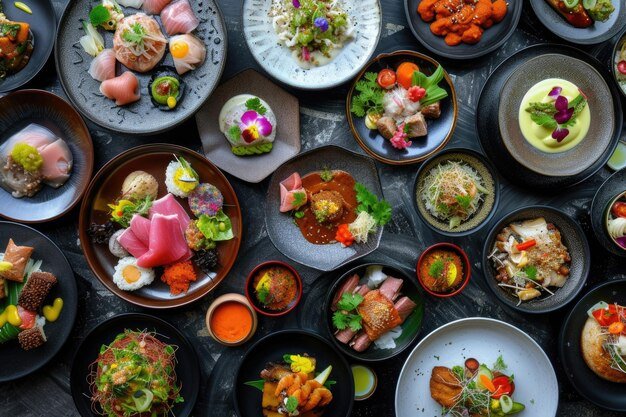
Imagine a world where every meal is an adventure, a passport to a new culture, a story told through flavor. That's the magic of International & Diverse Cuisines. They're not just about eating; they're about experiencing the rich tapestry of human history, geography, and ingenuity, all from the comfort of your dining table or a local eatery. From the fiery chilies of Mexico to the delicate umami of Japan, and the aromatic spices of India, global dishes have transcended borders, becoming beloved staples far from their origins. But what makes these cuisines so captivating, and how do they journey from one corner of the globe to another, ultimately landing deliciously on your plate? Let's embark on a flavorful expedition to find out.
At a Glance: Your Guide to Global Flavors
- What They Are: Dishes and cooking styles that originate in one culture but are enjoyed worldwide, often shaped by migration, trade, and tourism.
- Key Differentiators: Unique staple ingredients, distinct cooking techniques, and signature flavor balances define each cuisine.
- Why They Spread: People traveling, moving, trading goods, and sharing stories (and recipes!) via media have made global eating a reality.
- Always Evolving: Cuisines are dynamic, influenced by history, local resources, and modern trends like health-conscious eating and fusion concepts.
- Your Culinary Passport: A doorway to understanding different cultures and enriching your personal food journey.
Unpacking "International Cuisine": More Than Just Food
At its heart, international cuisine refers to a dish or a style of cooking that began in one specific country or cultural region but has found appreciation and a home far beyond its initial borders. Think about it: a pizza in New York, a sushi roll in London, or a curry in Sydney. These weren't always global phenomena. Their spread is a testament to human connection—through the movement of people, the exchange of goods, the captivating power of media, and our innate human curiosity to explore.
What truly sets one cuisine apart from another often boils down to three core elements:
- Basic Foods (Staples): Is it rice-based, wheat-based, corn-based? Does it feature specific meats, vegetables, or legumes prominently? Italy, for example, leans heavily on wheat products, olive oil, and tomatoes, while Chinese cuisine often centers on rice or wheat noodles.
- Cooking Techniques: Are dishes primarily stir-fried, steamed, slow-simmered, or grilled? Japanese cooking frequently employs broiling, poaching, and light deep-frying (tempura), contrasting with the long braises and roasts found in French cuisine.
- Flavor Balance: Each cuisine has a distinct "flavor DNA." Consider the savory depth of soy sauce, ginger, and rice wine in Chinese dishes, or the bright, herbaceous notes of olive oil, tomatoes, and oregano in Italian food. These combinations are what make a cuisine instantly recognizable.
A Global Culinary Tour: Exploring Diverse Flavors
Let's journey through some of the most celebrated international cuisines, uncovering what makes each one uniquely delicious and universally loved.
The Pillars of Global Gastronomy
These cuisines are often the first examples that come to mind when we think "international," each with a storied history and an unshakeable place in our global food landscape.
Italy: The Art of Simple Perfection
Italian cuisine is a masterclass in making simple ingredients sing. Its global adoration stems from its emphasis on fresh, high-quality components: fragrant olive oil, sun-ripened tomatoes, pungent garlic, aromatic fresh herbs, and an incredible array of wheat-based products like pasta and pizza dough. The philosophy is clear: let the ingredients speak for themselves.
You'll find regions like Tuscany celebrating hearty meat dishes, while coastal areas burst with fresh seafood. And don't forget the wine and cheeses, integral to the Italian experience. Whether it's the comforting layers of lasagna, a perfectly crisp pizza, creamy risotto, or a rich osso buco, Italian food offers something for every palate. The sweet endings, like tiramisu and cannoli, are equally iconic. If you're ever looking for a taste of this authentic experience, even far from Italy itself, you can often find fantastic options; for example, many travelers rave about the Best Italian Food in Aruba.
Japan: A Symphony of Umami
Japanese cuisine is a study in subtlety and precision, building profound flavors through delicate layering and masterful ingredient combinations. Soy sauce, sake (rice wine), sugar, and mirin come together to create that distinctive umami-rich profile that defines so much of its cooking. The focus here is often on lighter, healthier preparations, utilizing broiling, poaching, and steaming, though the crispy delight of tempura shows a skilled approach to deep-frying too.
Beyond the globally recognized sushi and ramen, you'll discover a world of texture and taste in gyoza, thick udon noodles, pristine sashimi, and the comforting warmth of miso soup. Each dish reflects a deep respect for seasonal ingredients and an aesthetic appreciation for presentation.
India: A Kaleidoscope of Spices
Indian cuisine is a vast, diverse tapestry woven from centuries of cultural, religious, and regional influences. Its foundation is robust, relying on grains like rice and wheat, a plethora of legumes (dals), and an incredible range of fresh vegetables. Vegetarianism is deeply ingrained in many regions, influencing countless dishes.
But it's the spices that truly define Indian cooking: cumin, turmeric, coriander, cardamom, cloves, and mustard seed, to name just a few. These aren't just thrown in; they are meticulously blended, toasted, and tempered to create specific flavor profiles for each dish. From the creamy richness of Butter Chicken and the fragrant layers of Biryani to the spinach and cheese delight of Palak Paneer, or the ubiquitous samosa and naan, every bite is an explosion of meticulously balanced flavor. Gulab jamun offers a sweet, syrupy conclusion.
China: A Harmony of Regional Contrasts
Chinese cuisine, like India's, is incredibly diverse, reflecting a vast geography and myriad cultures. Staples vary significantly: rice dominates the south, while wheat-based items like noodles and dumplings are more common in the north. Common ingredients include chicken, duck, pork, a wide array of seafood, and diverse fresh vegetables.
Iconic cooking techniques like stir-frying, steaming, braising, and deep-frying are integral to its identity. Regional styles vary wildly; Guangdong (Cantonese) cuisine, for instance, is known for its delicate flavors and minimal sauces, emphasizing the natural taste of ingredients. Must-try dishes range from the crispy Peking Duck and spicy Kung Pao Chicken to delightful Dim Sum, fiery Mapo Tofu, classic Chow Mein, sweet and sour pork, and crunchy spring rolls.
Beyond the Usual Suspects: More Delicious Discoveries
While the previous four are global giants, many other cuisines hold equally significant places on the world stage, each offering unique experiences.
Thailand: The Art of Bold Balance
Thai cuisine is celebrated for its assertive, aromatic, and often spicy flavors, a delightful mosaic influenced by its Southeast Asian neighbors. Its core components are undeniably bold: nam pla (fish sauce) provides unparalleled umami depth, while generous amounts of garlic, fiery bird's eye chilies, and fresh coriander deliver characteristic pungency and brightness.
Signature dishes like the tangy and spicy Tom Yum Goong soup, the creamy heat of Green Curry, the vibrant crunch of Som Tum (papaya salad), and the classic Pad Thai showcase a brilliant balance of sweet, sour, salty, and spicy. For a sweet finish, don't miss the ubiquitous mango sticky rice.
Mexico: A Fiesta for the Senses
Mexican cuisine is a vibrant fusion of indigenous traditions—think corn, beans, squash, and chile-based sauces—with ingredients introduced by the Spanish, such as wheat, rice, beef, pork, and citrus. The flavor foundation is built on a symphony of chilies, tomatoes, lime juice, garlic, onions, cumin, and often a touch of cinnamon, frequently finished with a sprinkle of fresh coriander (cilantro).
From the endlessly customizable tacos and the rich, complex Chiles en Nogada to hearty tamales, comforting pozole, and cheesy enchiladas, Mexican food is designed to be savored. And who could forget the fresh, chunky goodness of guacamole or the indulgent Tres Leches cake? For anyone craving these authentic tastes, there are always amazing spots to find them, and for those in the Caribbean, seeking Where to eat Mexican in Aruba often leads to delightful discoveries.
The Middle East: Ancient Flavors, Modern Appeal
Located at a historic crossroads of civilizations, Middle Eastern cuisine blends ancient traditions with a rich array of ingredients. Staples include nourishing wheat, barley, chickpeas, fava beans, and lamb. Cooking techniques often involve oven-baking, slow simmering, and the iconic spit-roasting seen in dishes like shawarma.
Cinnamon, fresh herbs (parsley, mint, dill), and zesty lemon juice are foundational. You'll frequently find compelling flavor combinations like tomato and cinnamon, or the refreshing pairing of lemon and parsley. Hummus, falafel, juicy kebabs, smoky Baba Ghanoush, and the exquisite sweet pastries of Kunafa and Baklava are just a few reasons this cuisine has garnered global adoration.
France: Refined Elegance on a Plate
French cuisine is synonymous with elegance, precision, and an almost artistic approach to food. It's renowned for its use of luxurious ingredients like truffle and caviar, as well as superior dairy products—butter, cream, and cheese are paramount. Flavoring often comes from fresh herbs and vinegars, favoring subtlety over heavy spices. The concept of "terroir," the idea that the land imbues food with unique qualities, is central.
From hearty Coq au Vin and rich Boeuf Bourguignon to the delicate Quiche, flaky Croissant, ethereal Soufflé, and vibrant Macarons, French gastronomy spans an incredible range. And, of course, the simple yet perfect baguette embodies its commitment to quality.
Greece & Spain: Mediterranean Soulmates
Both Greek and Spanish cuisines share the vibrant, healthy characteristics of the Mediterranean diet. They emphasize fresh, seasonal ingredients, olive oil, and a social approach to dining (think Greek mezze or Spanish tapas).
Greek cuisine proudly retains older traditions, with staples like pita bread, creamy yogurt, and spit-roasted meats. Distinctive flavors include the surprising warmth of tomato with cinnamon, and the aromatic blend of wild oregano/thyme with olive oil and lemon juice. Moussaka, Souvlaki, Spanakopita, Dolmades, and the quintessential Greek Salad are beloved classics, alongside sweet Loukoumades and refreshing Tzatziki.
Spanish cuisine also thrives on communal eating, with iconic dishes like the vibrant Paella and the vast array of tapas. It celebrates regional diversity, from the seafood-rich dishes of the coast to the hearty stews of the interior.
African, Central American, and South American Cuisines: Uncharted Territories for Many
These vast continents offer an incredible, often less-explored, diversity of flavors that are steadily gaining international recognition.
- African Cuisine: This continent's culinary landscape is as varied as its climates and cultures, featuring inventive uses of grains, beans, and vegetables. Staples like Ethiopia's spongy injera bread, often served with richly spiced stews, and the savory Jollof Rice (popular across West Africa) are starting to captivate global palates.
- Central American Cuisine: Built on the ancient staples of corn, beans, and an abundance of tropical fruits. Costa Rican examples include "gallo pinto" (a flavorful rice and beans dish) and "casado" (a plate featuring rice, beans, plantains, and a protein), showcasing hearty, balanced meals.
- South American Cuisine: A continent rich in culinary tradition, utilizing staples like potatoes, nutrient-dense quinoa, starchy yuca, and diverse meats. Colombian cuisine offers the ubiquitous arepas and the generous "bandeja paisa," while Peru's vibrant food scene has given us the citrusy, fresh ceviche and the stir-fried Lomo Saltado.
Why Our Plates Keep Getting Bigger: Factors Driving Culinary Evolution
The journey of a cuisine from its birthplace to tables worldwide is a complex interplay of historical, social, and economic forces.
1. The Human Tide: Migration
Perhaps the most potent driver of culinary spread is human migration. When people move—whether by choice or necessity—they bring their traditions, their memories, and their recipes with them. They open restaurants, food trucks, and bakeries, introducing their native flavors to new communities. This isn't just about survival; it's about sharing a piece of home, enriching the cultural fabric of their new environment. Think of the surge of Vietnamese pho restaurants in the West or the widespread popularity of Lebanese falafel stands.
2. Global Goods: Trade & Commerce
Without global trade, many of these international cuisines simply couldn't exist outside their homelands. The spice routes of old, for example, were instrumental in spreading the very ingredients that define Indian and Middle Eastern cooking. Today, efficient supply chains allow restaurants and home cooks to access exotic fruits, unique spices, and specialized ingredients from across the globe, facilitating authenticity and culinary experimentation.
3. Wanderlust & Taste Buds: International Tourism
Travel is a powerful culinary educator. When you journey to a new country, tasting its local dishes is often a highlight. These experiences create demand. A traveler who falls in love with street food in Bangkok will likely seek out Thai restaurants back home, fueling the growth and popularity of that cuisine internationally.
4. Screens & Stories: Media and Social Media
From celebrity chef shows and travel documentaries to viral TikTok trends and Instagram-worthy dishes, media plays a huge role in generating excitement around global foods. Think of the explosion of Korean corn dogs or bao buns, popularized largely through digital platforms. This exposure sparks curiosity and encourages people to try new flavors they might not have otherwise encountered. And sometimes, it can lead you to discover new places to enjoy these global flavors, perhaps even prompting you to Discover Asian Fusion Aruba when you're traveling!
5. Health & Lifestyle: Conscious Choices
Our eating habits are increasingly shaped by health and lifestyle considerations. This has led many to discover international cuisines that naturally align with their dietary preferences. The heart-healthy Mediterranean diet (think Greek, Spanish, Italian, Middle Eastern) is a prime example. Similarly, the rich traditions of vegetarian Indian and Middle Eastern dishes appeal to the growing plant-based movement. Gluten-free, organic, or low-carb preferences also often find diverse and delicious solutions in global culinary traditions.
6. Echoes of History: Environmental & Cultural Influences
The deep roots of a cuisine are often found in its history and environment. Climate dictates local resources—hence, the prevalence of olive oil in Mediterranean cooking. Cultural exchanges have also profoundly shaped dishes; the introduction of New World tomatoes, for instance, revolutionized Italian cuisine. Trade routes, religious practices, and even geopolitical shifts have all contributed to the evolution and distinct character of regional gastronomies over centuries.
The Future of Flavor: Current Culinary Trends
The culinary world is far from static. Today, we're seeing exciting shifts and amalgamations that promise even more diverse and dynamic dining experiences.
The Rise of Fusion: Blending Worlds on a Plate
One of the most exciting trends is the ongoing amalgamation of cultural flavors. Chefs and home cooks alike are no longer bound by strict traditional lines, instead experimenting with fusion cuisine. This could mean Japanese ingredients in a Mexican taco, or Italian pasta infused with Thai spices. It's about creativity, unexpected harmonies, and pushing the boundaries of taste. The beauty lies in combining the best of different worlds to create something entirely new and delicious.
Plant-Powered Plates: Health and Sustainability Driving Innovation
Another significant trend is the growing preference for health-conscious and plant-based alternatives. This isn't just about veganism; it's a broader movement towards integrating more vegetables, legumes, and plant proteins into traditional dishes.
You'll find vegan interpretations of classic Italian pizzas, and naturally vegetarian Lebanese staples like falafel and tabbouleh are becoming even more prominent. New vegetarian and vegan options are also flourishing in cuisines like Moroccan, Turkish, and Caribbean, demonstrating that global flavors can beautifully adapt to evolving dietary needs and sustainable eating practices without sacrificing authenticity or taste.
Bringing the World Home: How to Embrace Diverse Cuisines
Ready to deepen your relationship with international food? Here's how you can make global flavors a regular part of your life:
- Eat Out Adventurously: Step beyond your comfort zone. If you always go for Italian, try Ethiopian or Thai next time. Ask restaurant staff for their recommendations, focusing on authentic dishes.
- Explore Local Markets: Many cities have international markets or specialty grocery stores that stock ingredients specific to different cuisines. This is a fantastic way to discover new spices, produce, and pantry staples.
- Cook from Scratch: Pick a cuisine you love and find some simple, authentic recipes. Start with foundational dishes—a basic curry, a simple pasta, a stir-fry—and build your skills. Cooking can be a meditative way to connect with a culture.
- Watch & Learn: Culinary shows, YouTube channels, and online cooking classes dedicated to international cuisines can be incredibly educational and inspiring. Seeing techniques performed by experts makes them less intimidating.
- Host a Themed Dinner: Invite friends over and explore a single cuisine together. Each person could bring a dish, or you could collectively prepare a feast, making the experience communal and fun.
- Travel with Your Taste Buds: When planning your next trip, research local food experiences. Look for food tours, cooking classes, or recommendations from locals. Food is often the most memorable souvenir.
Your Next Culinary Adventure Awaits
The world of International & Diverse Cuisines is boundless, a perpetual invitation to explore, taste, and understand. Each dish tells a story of its land, its people, and its history, offering more than just sustenance—it offers connection. By embracing these diverse flavors, you're not just expanding your palate; you're expanding your worldview, one delicious bite at a time. So, what corner of the world will your next meal take you to? The journey promises to be extraordinary.