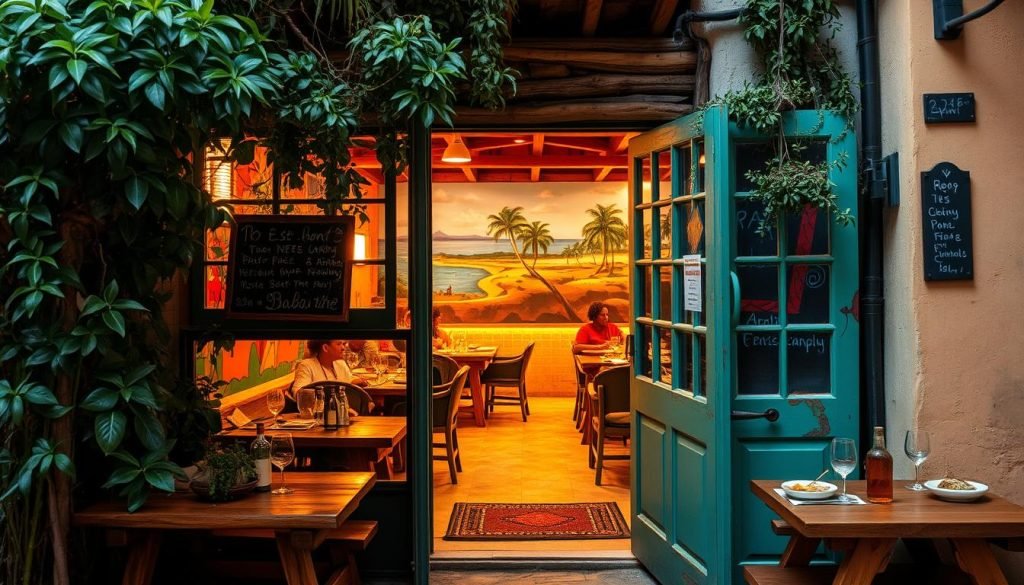
Aruba, more than just sun-drenched beaches and azure waters, offers a vibrant tapestry of flavors waiting to be discovered. To truly connect with the island's soul, seeking out "authentic Aruban cuisine must try" dishes is not just recommended, it's essential. This isn't about mere sustenance; it’s about experiencing a living history, a culinary journey shaped by centuries of diverse influences. Prepare to indulge in hearty stews, savory pastries, and unique drinks that tell the story of Aruba with every delicious bite.
At a Glance: Your Aruban Culinary Roadmap
- Discover iconic dishes: From the celebratory Keshi Yena to comforting stews.
- Uncover cultural influences: See how Indigenous, African, Spanish, Dutch, and South American traditions blend.
- Master the local lingo: Learn essential sides like Funchi and Pan Bati.
- Find genuine local spots: Navigate restaurants, shacks, and street vendors favored by Arubans.
- Sip on island specialties: Explore unique cocktails, local brews, and refreshing natural drinks.
The Flavors of a Crossroads: A Brief Introduction to Aruban Cuisine
Aruba’s culinary identity is a delicious testament to its past. Imagine a kitchen where indigenous ingredients meet spices from Africa, cooking techniques from Europe, and vibrant flavors from South America. This melting pot creates a unique profile: robust and comforting, yet often brightened by tropical ingredients. Expect dishes that are both familiar and wonderfully exotic, a true reflection of the island's vibrant history and welcoming spirit.
Iconic Plates: Essential Bites You Can't Miss
To truly taste Aruba, certain dishes are non-negotiable. These are the recipes passed down through generations, cherished for their flavor and cultural significance.
Keshi Yena: Aruba’s Culinary Masterpiece
If there's one dish that defines Aruban cuisine, it’s Keshi Yena. Translating to "stuffed cheese," this iconic casserole features a hollowed-out wheel of Dutch Edam or Gouda cheese, generously filled with a savory, spiced mixture. Imagine shredded chicken or beef, interwoven with olives, raisins, onions, and bell peppers, all baked until the cheese is wonderfully melted and bubbly. Its origins lie in the resourcefulness of enslaved people, transforming a leftover cheese rind into a celebrated dish that’s now a highlight of any special occasion.
Hearty Stews: Comfort in Every Spoonful
Aruban stews, known as "stobas," are the epitome of comfort food, slow-cooked to perfection and brimming with flavor.
- Cabrito Stoba (Goat Stew): A testament to the island's African and South American heritage, this stew features marinated goat meat, slow-simmered until fork-tender. Onions, garlic, cumin, peppers, tomatoes, and a blend of local spices create a rich, aromatic broth. It’s often served with rice, the sweet Pan Bati, or the starchy Funchi, perfect for soaking up every last drop.
- Sopi Mondongo (Tripe Soup): For the adventurous palate, Sopi Mondongo is a deeply flavorful and restorative soup. Made from slow-cooked beef tripe, it's robustly flavored with bell peppers, onions, celery, carrots, and a medley of herbs. Locals often enjoy this hearty soup as a traditional Sunday meal, believed to be both satisfying and fortifying.
Ocean's Bounty, Island Style
Given its island location, fresh seafood is a cornerstone of Aruban cuisine, prepared with simple yet impactful flavors.
- Aruban Fish Stew / Pisca Crioyo: This vibrant dish showcases the freshest catch – often mahi-mahi or red snapper – simmered in a zesty, tomato-based Creole sauce (salsa crioyo). Garlic, peppers, onions, thyme, and cilantro infuse the sauce, creating a light yet flavorful meal that reflects Venezuelan and wider Caribbean influences. Typically, it’s accompanied by Funchi, rice, and sweet fried plantains.
- Grilled Red Snapper: Sometimes the simplest preparations are the best. Fresh local red snapper, marinated in a fragrant blend of garlic, lime, and annatto, is grilled whole until its skin is perfectly crispy and the flesh is flaky. This straightforward dish allows the natural sweetness of the fish to shine, usually served with fried plantains, a side of rice, or a crisp salad.
The Unsung Heroes: Essential Sides
No Aruban meal is complete without its traditional accompaniments, designed to complement and absorb the rich sauces of the main dishes.
- Funchi (Cornmeal Porridge): Aruba's answer to polenta, Funchi is a dense cornmeal porridge. It can be served warm and soft, perfect for scooping up stew, or chilled, sliced, and then fried into golden, crispy rectangles – often called "funchi fries." Its neutral flavor makes it an ideal canvas for the island's bolder tastes.
- Pan Bati (Cornbread Pancake): Meaning "beaten bread," Pan Bati is a thick, griddle-cooked cornbread, subtly sweet with a delightful, sponge-like texture. Made from cornmeal, flour, sugar, and milk, it’s versatile enough for breakfast, a comforting accompaniment to soups, or a dinner side.
- Yucca and Ayo Fries: Move over, potato fries! Sliced yucca (cassava) and ayo (a yam-like root vegetable) are deep-fried until golden, offering a starchy, slightly nutty alternative. These are frequently served with dipping sauces or a dollop of spicy Pica di Papaya.
Snacks and Street Eats: Fueling Your Day
Arubans love their snacks, and these handheld delights are perfect for a quick bite or a casual breakfast.
- Pastechi: A beloved deep-fried, half-moon pastry, Pastechi is the quintessential Aruban snack. Available at bakeries and ubiquitous snack trucks (truk’i pan), they come with a variety of fillings, including savory cheese, spiced meats, tuna, or even hot dog. They're a staple for breakfast or a satisfying anytime treat.
- Kibbling: A delicious Dutch import, Kibbling features bite-sized pieces of battered and deep-fried white fish, typically cod. Crispy on the outside, tender on the inside, it’s usually served with a side of garlic mayo or tartar sauce. You'll often find it at beachside shacks and local markets, offering a taste of the Netherlands with an island breeze.
Sweet Endings and Local Sips: Beyond the Main Course
Aruba's culinary journey extends well beyond the main course, offering a delightful array of sweets and unique beverages that capture the island’s spirit.
Cos Dushi: A Taste of Aruban Sweetness
"Cos Dushi," meaning "sweet things," is a catch-all term for the island's charming homemade desserts, often found at roadside stands and bustling markets.
- Cocada: A simple yet irresistible coconut candy, often colored and shaped into small, sweet bites.
- Tentalaria: Similar to peanut brittle, this crunchy candy made with peanuts and sugar is a popular and addictive treat.
- Bolo di Cashupete (Cashew Cake): A rich, dense cake made from ground cashews, offering a unique texture and nutty flavor.
- Anise Sugar Cookies: Delicate, aromatic cookies with a hint of anise, a beloved classic.
Dutch Delights with an Island Twist
The Dutch influence isn't just in savory dishes; it shines through in Aruban pastries and cakes.
- Poffertjes: These delightful Dutch mini pancakes, made from a yeasted batter and cooked in a special dimpled pan, are dusted generously with powdered sugar. They're a comforting and sweet treat, especially popular at local festivals.
- Bolo di Banana (Banana Cake): A moist, flavorful banana cake crafted with ripe bananas, sugar, flour, and spices. Sometimes raisins or nuts are added for extra texture and flavor.
- Bolo Preto (Black Cake): A traditional Aruban wedding cake, this dark, rich confection is made with dried fruits that have been soaked in rum for months. Spices and molasses give it a deep, complex flavor. Often available in vacuum-sealed slices, it makes for a unique edible souvenir.
- Epanada di Pampuna (Pumpkin Fritters): Grated pumpkin is mixed with flour and warm spices like cinnamon and nutmeg, then deep-fried into crispy, golden fritters. A dusting of powdered sugar makes them an irresistible treat, especially during festive seasons.
Quenching Your Thirst, Aruban Style
Aruba offers a range of refreshing drinks, from signature cocktails to local brews, perfect for the tropical climate.
- Aruba Ariba: The island’s iconic cocktail, a vibrant blend of rum, vodka, banana liqueur, and a medley of fruit juices (typically pineapple and orange). A dash of grenadine and a unique local ingredient called Coecoei – a liqueur made from agave sap and local herbs – complete this refreshing and potent drink.
- Balashi Beer & Balashi Chill: Aruba’s very own beer, Balashi is a crisp lager brewed on the island using desalinated seawater, specifically designed to be light and refreshing in the tropical heat. Balashi Chill is an even lighter, smoother, and lower-alcohol version, perfect for a day at the beach. You can even tour the brewery!
- Ponche Crema: A creamy, spiced liqueur similar to eggnog, Ponche Crema is made with eggs, condensed milk, nutmeg, and rum or brandy. While a holiday favorite, locals often enjoy it year-round, sometimes even combined with Balashi beer for a unique local "cocktail."
- Fresh Coconut Water: The ultimate natural refreshment, chilled coconut water is served straight from a freshly cracked green coconut by vendors at popular beaches like Eagle Beach or Baby Beach. Simple, pure, and incredibly hydrating.
Your Culinary Compass: Where to Find Genuine Aruban Flavors
Venturing beyond resort restaurants is key to experiencing the true taste of Aruba. Here’s where locals go for the most authentic fare. For a broader perspective on how to approach and identify genuine local cuisine in your travels, and why it enhances any journey, you can always refer back to our guide on Enjoy Genuine Local Cuisine.
Traditional Dining Experiences: Sit Down and Savor
These establishments offer a more traditional setting to enjoy classic Aruban dishes, often with a rich history themselves.
- The Old Cunucu House: Nestled in a charming, restored farmhouse, this spot is renowned for its classic Aruban dishes. It’s an ideal place to try Keshi Yena or a hearty Stoba in an atmosphere that harks back to old Aruba.
- Gostoso: Offering a delightful fusion of Aruban and Portuguese flavors, Gostoso is a family-friendly restaurant where you can savor well-prepared Stobas and fresh seafood. The welcoming ambiance complements the rich, home-cooked feel of the food.
- Kamini’s Kitchen: An off-the-beaten-path gem, Kamini’s Kitchen is celebrated for its home-cooked meals, including exceptional goat stew and flavorful curry dishes that highlight Aruba's multicultural influences. It’s a true local secret worth seeking out.
- O’Niel Caribbean Kitchen: For vibrant Caribbean flavors, O’Niel's delivers with dishes like oxtail stew, tender BBQ ribs, and traditional sides like Pan Bati. It’s a lively spot reflecting the broader Caribbean culinary tapestry present in Aruba.
Seaside Shacks & Fresh Catches: Straight from the Sea
For the freshest seafood served without pretense, these casual spots are a must-visit.
- Zeerover: A quintessential Aruban experience. This laid-back, no-frills seaside shack offers freshly caught seafood daily. You choose your fish and shrimp by weight, and they fry it on the spot. Served with local sides like plantains and onions in vinegar, it’s an authentic, delicious, and incredibly fresh meal right by the water.
Quick Bites & Local Haunts: Grab-and-Go Delights
When you need a quick, authentic snack or breakfast, these places are essential.
- The Pastechi House: As the name suggests, this spot specializes in Pastechi. With a wide variety of fillings (cheese, ham, chicken, beef), it’s the perfect place to grab a quick, delicious, and authentically Aruban snack or breakfast item.
- Oranjestad Market & Roadside Stands (Truk’i Pan): These vibrant hubs are excellent for sampling local fruits, homemade hot sauces (like Pica di Papaya), traditional snacks, and of course, Pastechis. Keep an eye out for "truk’i pan" – the local food trucks – which offer everything from fresh coconut water to fried plantains and more substantial meals, especially popular late into the night.
Navigating the Aruban Menu: Quick Answers to Common Questions
Getting the most out of your Aruban culinary adventure often comes with a few practical questions.
Q: Is Aruban food generally spicy?
A: Not inherently. While many dishes use spices for flavor, they are not typically fiery hot. However, most tables will have "Pica di Papaya" (a local hot sauce) available for those who prefer an extra kick. You control the heat!
Q: What’s the best time of day to try certain dishes?
A: Pastechi is a classic breakfast or mid-morning snack. Hearty stews like Sopi Mondongo are often enjoyed as a substantial lunch or Sunday dinner. Fresh fish is excellent for lunch or dinner. Roadside stands (truk’i pan) are often bustling in the evenings.
Q: Are there vegetarian options in authentic Aruban cuisine?
A: While many traditional main dishes are meat or fish-based, you can often find vegetarian sides like fried plantains, funchi, pan bati, or yucca fries. Some restaurants might also offer vegetable stews or adapt dishes, but it's best to inquire directly.
Q: How much does authentic Aruban food cost compared to tourist-oriented restaurants?
A: Generally, dining at authentic local spots like Zeerover or smaller eateries will be more affordable than the high-end, tourist-focused restaurants. Expect good value for money, especially for generous portions.
Q: What is a "truk’i pan"?
A: "Truk’i pan" literally means "bread truck" but refers to local food trucks. They are a staple for late-night eats, quick snacks, and often offer some of the most authentic and affordable local dishes. Don't be shy; they're a fantastic way to experience local life.
Your Next Bite: Embarking on Your Aruban Food Journey
Exploring the "authentic Aruban cuisine must try" list is more than just eating; it's an immersion into the island's culture and history. Don't be afraid to step outside your comfort zone, ask locals for their recommendations, and sample everything from a celebratory Keshi Yena to a refreshing Balashi Chill. Each dish offers a unique window into Aruba’s soul, leaving you with memories that are as rich and satisfying as the flavors themselves. Go forth, explore, and let the genuine culinary delights of Aruba captivate your senses.